
· 6 min read
What to Pack for a Sahara Desert Tour in Morocco
Your main luggage stays in the vehicle. What matters is the small bag that goes with you on the camel — and that is where people get it wrong.
How the luggage actually works
This is the part that is rarely explained, and it changes everything about what you pack.
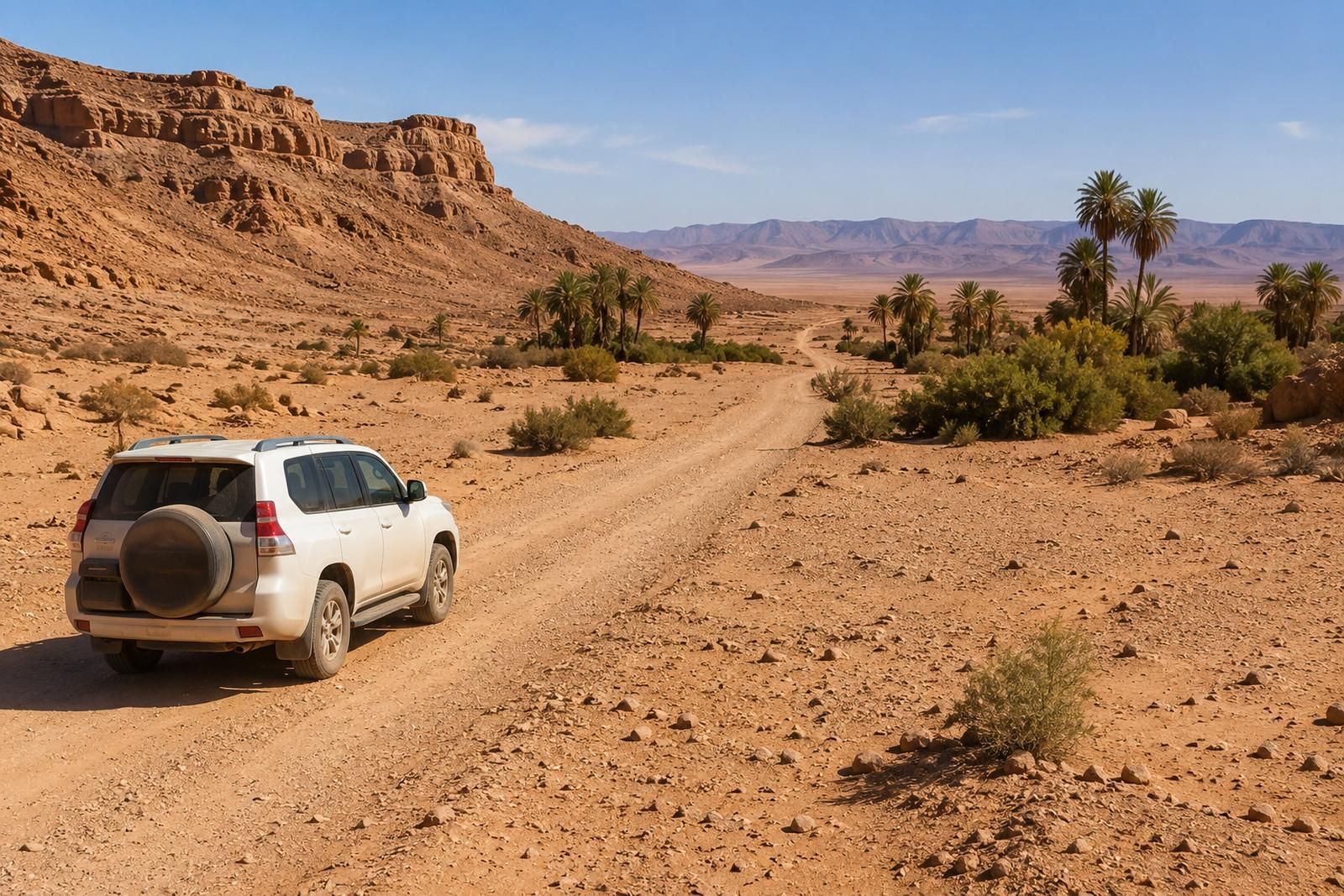
You leave your suitcases at the auberge at the edge of the dunes, where they are locked up and safe. You then ride a camel for an hour into the desert carrying only a small daypack. In the morning you ride back to the same auberge, shower there, and rejoin your luggage.
So you are packing two things: a normal bag for the trip, and an overnight bag for one night with no electricity to speak of. Keep the second one small — it will be strapped to a camel or on your back.
The overnight bag for the camp
- A warm layer, whatever the season. Desert nights are cold relative to the day even in August, and between November and March they are genuinely cold.
- Socks to sleep in. The single most effective thing on this list in winter.
- A head torch or phone torch. Camps are lit by lanterns and the walk to the bathroom block is dark.
- Toothbrush, and any medication you take.
- A change of underwear and a T-shirt.
- Wet wipes. Showers are at the auberge, not usually at the camp.
- A power bank. Most camps have limited solar power and no sockets in the tents.
- A scarf. Not for the photograph — for the wind, which carries sand.
- Earplugs, if you sleep badly. Camps are quiet but canvas is not soundproof.
What the camps already provide
You do not need to bring any of this:
Bedding. Beds, sheets, pillows and heavy camel-hair blankets are standard. Luxury camps add duvets.
Towels. At the auberge for your shower, and at en-suite luxury camps.
Water. Bottled water is provided at the camp and in the vehicle throughout the tour.
Food. Dinner and breakfast are included, cooked on site. Vegetarian, vegan, gluten-free and halal are all easy with notice — tell us when you book rather than on the night.
A turban. Your guide will wrap one for you at the dune edge if you want one. They are sold everywhere for about 50 MAD and they genuinely work.
Clothing, by season
Spring and autumn (Mar–May, Sep–Nov). Light layers, long sleeves for sun, one fleece or light down jacket for the evening. This is the easy end of the year.
Summer (Jun–Aug). Loose, light, long. Covered arms and legs are cooler than bare skin in 45°C, not warmer. A wide hat, and more water than you think. Nights are warm enough to sleep outside the tent.
Winter (Dec–Feb). Pack as you would for a cold campsite in Europe: a real insulating jacket, thermal base layer, hat, gloves. Days are 18–22°C and lovely; the night is the thing to prepare for.
Year round: closed shoes you can walk in. Sandals are miserable in sand, which gets hot enough to burn in summer and cold enough to hurt in January.
The five things people forget
- Lip balm. The air is drier than anywhere you have been. This is the item guests most often buy at the first shop.
- A hair tie or buff if you have long hair. The wind is constant.
- Cash in small notes. Tips, the sandboard, tea at Khamlia, the fossil workshops. Cards are useless once you leave Ouarzazate. Bring 500–1,000 MAD in 20s and 50s.
- A dry bag or zip-lock for the camera. Fine sand gets into lens barrels and zoom mechanisms and does not come out.
- Motion sickness tablets. The Tizi n'Tichka pass is two hours of switchbacks and catches out people who never normally suffer. Take them before you leave, not when you start to feel it.
What to leave behind
A drone, unless you have a permit. Importing and flying drones in Morocco requires authorisation and they are routinely confiscated at customs. Do not risk it on a holiday.
Valuables you would hate to lose in sand. Rings come off fingers, earrings come out, and a dropped item in a dune is gone.
Heels, and anything white. Neither survives the first evening.
Too much luggage generally. The vehicle is private but it is not infinite, and if you are travelling in a group of six the boot fills fast.
Common questions
What should I take on the camel to the desert camp?
A small daypack with a warm layer, socks, a torch, toothbrush, medication, wet wipes, a power bank and a change of clothes. Everything else stays locked at the auberge at the edge of the dunes.
Do desert camps provide blankets and towels?
Blankets, sheets and pillows yes, at every camp. Towels are provided at the auberge where you shower, and in the tents at en-suite luxury camps.
What shoes should I wear in the Sahara?
Closed shoes or trainers you can walk in. Sand gets extremely hot in summer and cold in winter, and open sandals fill immediately. Take them off entirely for walking on the dunes — barefoot is easier than any shoe.
Is there electricity at the desert camp?
Limited. Most camps run solar power for lighting and a shared charging point; few have sockets in the tents. Bring a power bank and charge everything in the vehicle during the day.
How much cash should I bring?
Around 500–1,000 MAD in small notes for the three days, for tips, tea, optional guides and small purchases. Card payment is unreliable east of Ouarzazate and ATMs are scarce past Erfoud.
Tours this applies to
Marrakech
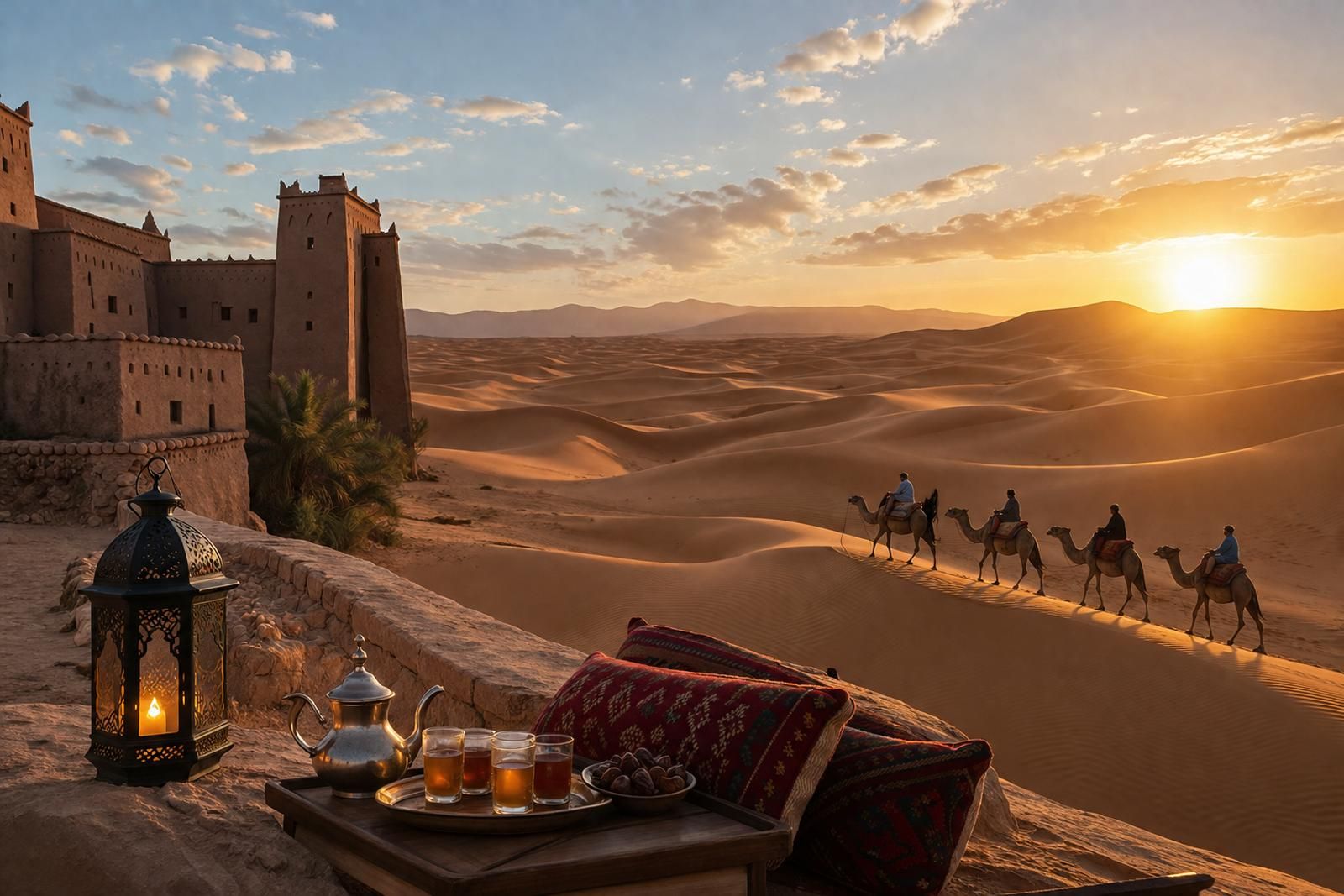
3 Days From Marrakech to Merzouga Desert
Cross the Atlas, sleep in a Sahara camp at Erg Chebbi, ride camels at sunrise.
Price on request Tell us your dates and party size for a quote
Fes
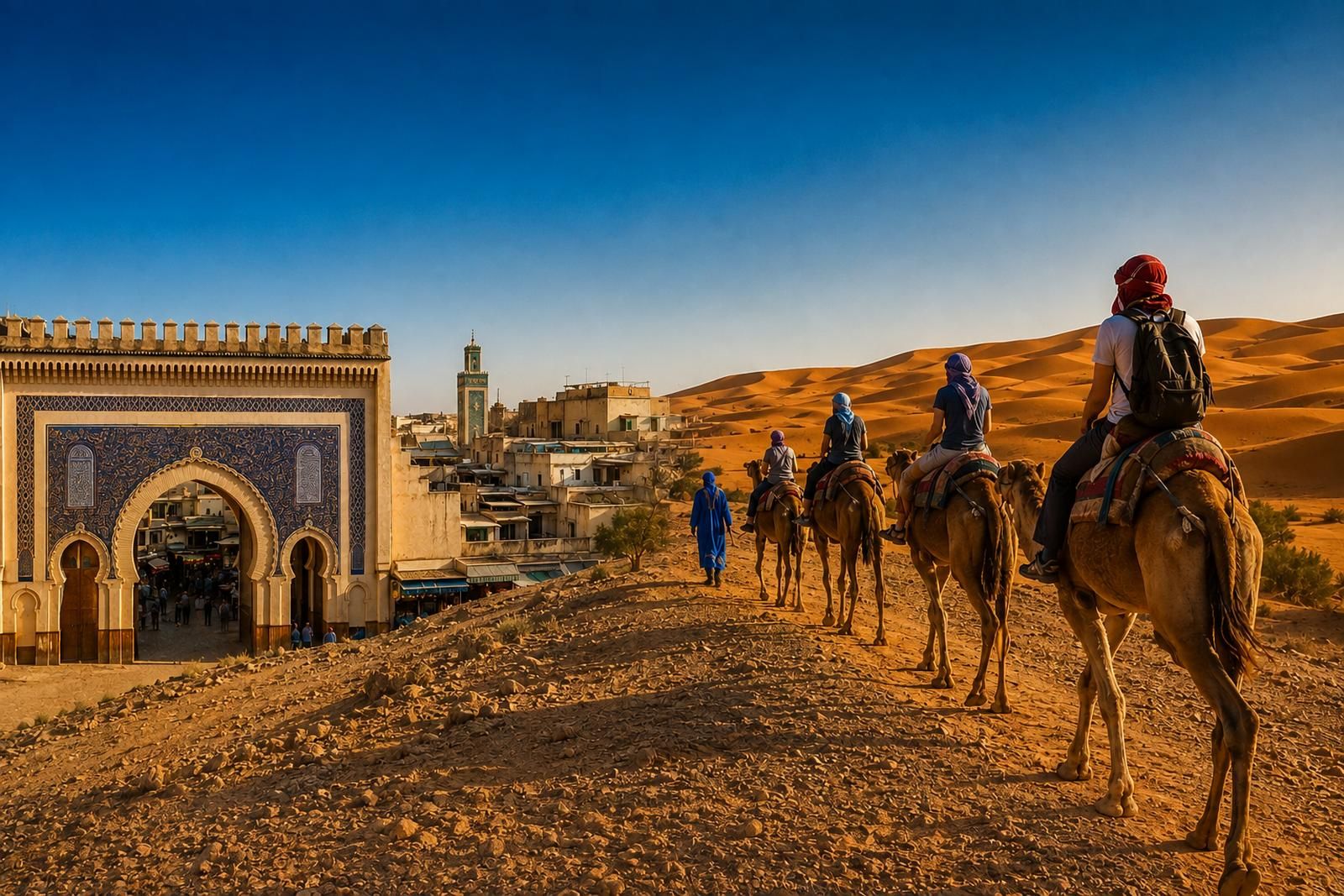
3 Days From Fes to Merzouga Desert
From Fes across the Middle Atlas and cedar forests to the dunes of Merzouga, and back.
Price on request Tell us your dates and party size for a quote
Marrakech
5 Days Marrakech to Merzouga Grand Desert Tour
Two nights in the dunes, the Draa palm groves, and the whole southern loop without rushing any of it.
Price on request Tell us your dates and party size for a quote
Questions this did not answer?
Send them over. We reply to everything, and we are not going to push you toward the expensive option.